California Nursing Home Abuse Lawyer Blog





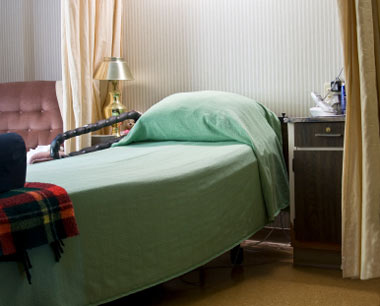
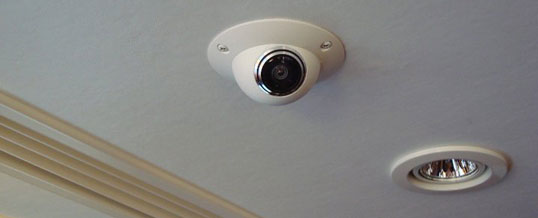 Many Californians have loved ones in nursing homes or assisted-living facilities. While we want to put our trust in these facilities and to believe that they are treating our elderly parents and relatives properly, many of us worry about the risks of nursing home abuse and neglect. According to a recent article from NBC San Diego, local families want to install cameras in patient bedrooms, “but they are facing a roadblock from the state.”
Documenting Elder Neglect in Southern California
Why wouldn’t the state want to use video cameras in patient rooms to monitor for elder abuse or neglect? According to Joe Balbas, the co-owner of Vista Gardens, “elderly patients in nursing facilities should have the option of having security cameras in their room[s].” Vista Gardens is a residential facility for patients with Alzheimer’s and other forms of dementia. Balbas believes that installing cameras in rooms—at the request of patients and their families—could help to prevent serious injuries.