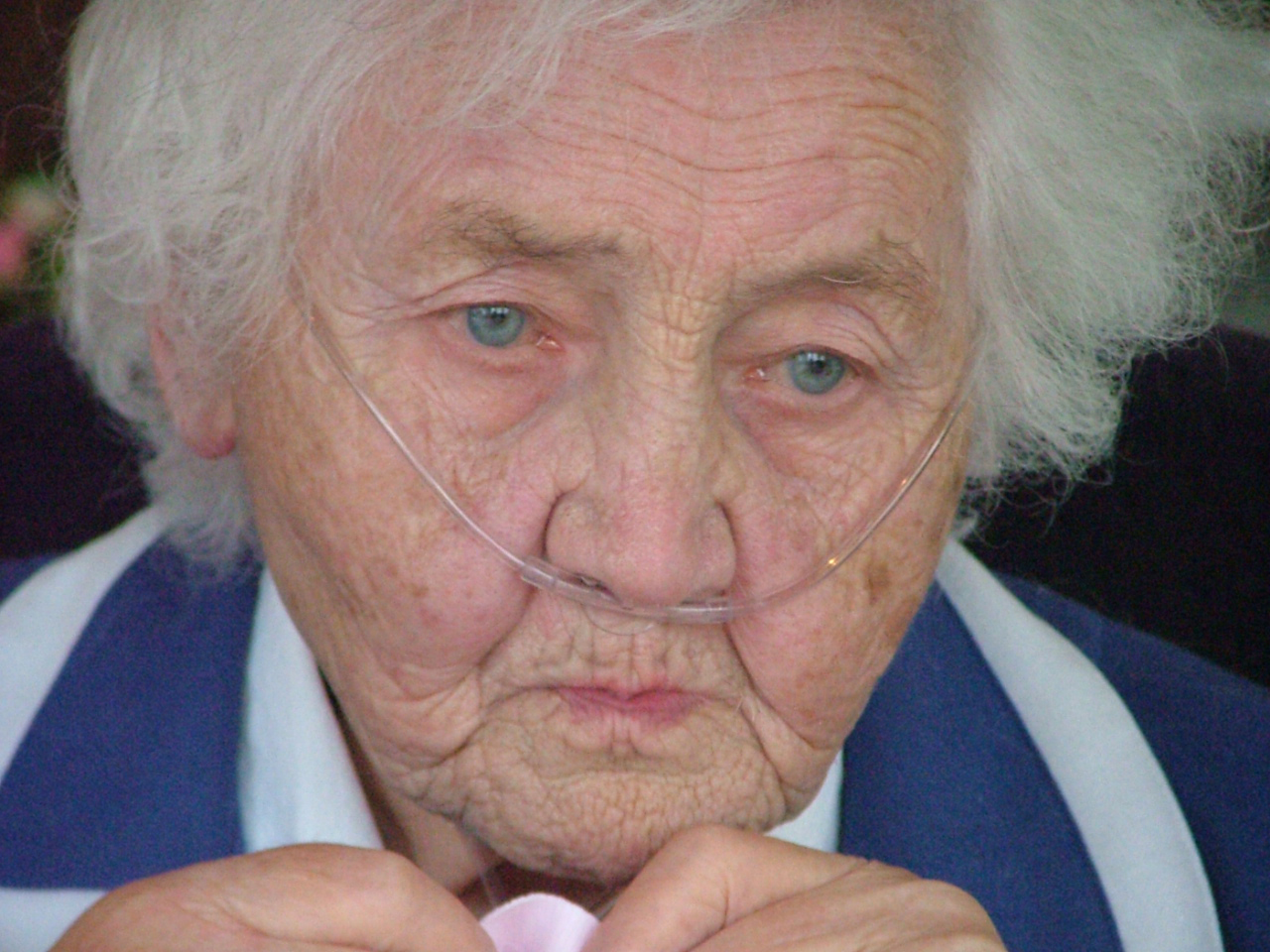
Nursing home abuse and neglect can happen at any facility in San Jose and throughout California. There are ways to reduce the risk of moving an elderly loved one into a facility where abuse or neglect may be more likely, such as by reviewing facility ratings, researching safety records, and visiting the facility to look for common red flags associated with abuse, neglect, or negligence. Yet even when you take all the precautions, abuse or neglect injuries can still happen. We often think about adult children of elderly residents being the ones to spot the signs of abuse or neglect, but spouses can also be extremely important when it comes to identifying symptoms of elder abuse. 

If your spouse is now living in a nursing home and you are still living independently, what should you look for when you visit? The following are some of the most common signs that something is not right, and you should seek advice from a San Jose nursing home neglect lawyer as soon as possible.

Physical or Visible Injuries

Moving a family member into a nursing home in San Diego County can be an emotionally difficult process for your loved one, as well as for yourself. There are many news reports about horrific incidents of nursing home abuse or neglect that result in severe and deadly harm to nursing home residents, and it can be difficult to know if you have done enough research and made the right decision for the elderly person you love. An important way of being sure that your loved one’s nursing home has taken proper safety precautions is to make a checklist and to bring it with you to the facility. The following is helpful information to include on your checklist.

What You Should Put on Your Nursing Home Safety Checklist

Even the most expensive nursing homes can have problems with abuse, neglect, and negligence. Likewise, even facilities with no history of safety violations can have problems arise. What should you be looking for when you visit a loved one in a nursing home or assisted living facility? It can be helpful to make a detailed checklist that you can use during each and every visit. That checklist may include a wide range of signs or indicators of abuse, neglect, or negligence (or risk factors for abuse or negligence), including the following:

Staff burnout at nursing homes in Los Angeles County can have significant — and sometimes life-threatening — consequences for elderly residents who are relying on those staff members for care. While certain kinds of nursing home abuse are intentional and result in both psychological and physical injuries, there are many types of harm that can occur due to passive neglect. To be clear, staff members at a facility might not intend to cause any harm, but they may not have enough time to properly attend to all of the residents’ needs, or may be too burnt out themselves to address certain patient issues at the end of a long shift. What do you need to know about staff burnout and nursing home resident injuries? Consider the following information from our Los Angeles County nursing home neglect lawyers.

What is Staff Burnout?

What is burnout? In short, according to the Mayo Clinic, it is “a type of stress linked to work,” which often “includes being worn out physically or emotionally.”

If you have an elderly loved one living in a nursing home anywhere in the San Francisco Bay Area, it is essential to understand the very real risks of injury that residents face and the warning signs that something may be wrong. Families often assume that harm only occurs when abuse is intentional. In reality, many of the most serious injuries in Bay Area nursing homes result from neglect, understaffing, and systemic failures rather than deliberate misconduct. One of the clearest and most dangerous examples is the development of bed sores, also known as pressure ulcers.

Bed sores are not an inevitable part of aging. They are widely recognized as a preventable condition when proper care is provided. Yet they continue to occur in nursing homes throughout San Francisco, Oakland, San Jose, and surrounding Bay Area communities. When they do, nursing homes may be legally responsible, even if no one intended to cause harm.

What Are Bed Sores and Why Are They Dangerous?

TransportVan-300x200In California, residents of Residential Care Facilities for the Elderly (RCFEs) and skilled nursing facilities often rely entirely on the facility to arrange and provide transportation. This may be for routine medical appointments, specialist visits, therapy, social outings, or even transfers between facilities. While this might seem straightforward, improper handling during transportation is a significant and often-overlooked source of serious injuries to vulnerable residents.

Elderly residents may have fragile bones, limited mobility, and chronic health conditions that make them highly susceptible to harm. A fall while getting into or out of a van, being improperly secured in a wheelchair, or a sudden jolt during transport can result in fractures, head trauma, or other life-threatening injuries. These incidents are not just “accidents” — they are often the result of negligence by staff who fail to follow basic safety procedures.

At Nursing Home Law Group, we have represented numerous families whose loved ones were hurt during facility-arranged transport. These cases often reveal troubling patterns: untrained drivers, poorly maintained lift equipment, inadequate supervision, and failure to secure residents properly. In some situations, residents are left unattended in vehicles for dangerous periods of time, leading to heat stroke, dehydration, or other preventable medical emergencies.

Older adults in Orange County nursing homes should always expect to be treated with dignity and respect, and they should also be able to expect that nursing homes are employing a sufficient number of staff to provide for the individual needs of residents. Yet, much too often, nursing homes do not provide the quality of care that they promise to provide. As a result of nursing home abuse — including intentional acts of physical and emotional harm, as well as sexual abuse — and nursing home neglect or negligence, Southern California nursing home residents suffer serious and sometimes deadly injuries. Families are often taught to be aware of the signs and symptoms of abuse or neglect, including physical and psychological warning signs about an elderly loved one’s well-being. 

We often think about nursing home abuse as intentional harm and neglect as a failure to provide care due to understaffing, for example, yet there are some cases in which nursing home neglect is intentional. In other words, staff members might make intentional decisions to withhold care in order to deprive elderly residents of the assistance they need or the medications on which they rely. Our Orange County nursing home neglect lawyers can explain in more detail.

Understanding Willful Deprivation in Southern California Nursing Homes

Older adults in Solano County and throughout California are not only at greater risk of falling than younger adults, but they are also more likely to sustain serious injuries when they do fall. According to a recent report in The New York Times, falls are nearly always preventable, yet they continue to harm seniors in assisted-living facilities and nursing homes. Sometimes falls occur because a facility has an inadequate number of staff, such that residents do not receive the help and assistance they need with mobility tasks. In other circumstances, a facility might have certain hazards on the premises that result in a fall. At the same time, nursing homes and assisted-living facilities may not prioritize fall prevention, and thus they may not be employing many of the “small changes and good habits” that the report suggests can make a significant difference in reducing falls among the elderly.

What should you know about falls and fall risks in California nursing homes? Our Riverside County nursing home neglect attorneys can tell you more.

Why is Falling So Common Among Older Adults?

Sandy-Horowitz-Headshot-275x300In April 2020, Plaintiff Magazine featured a heartfelt and deeply personal article by elder abuse attorney Sanford Horowitz, known to friends and colleagues simply as Sandy. Written during the first week of COVID-19 lockdowns, the piece is part professional reflection, part life story, and all about the passion that has defined Sandy’s decades-long career fighting for the rights of vulnerable elders.

Sandy begins by looking back on his earlier articles for Plaintiff Magazine — one that explored the unique stories behind every elder abuse case, and another that shared his personal journey navigating his father’s decade-long battle with Alzheimer’s. Six years after his father’s passing, Sandy found himself once again in a contemplative state, reflecting not only on his work but on the twists and turns of life.

From the start, Sandy took a less conventional path as a lawyer. After a short stint at a San Francisco law firm, he chose to set up his own practice in Sonoma, far from the hustle of the big city. That decision wasn’t just about work; it was about living in harmony with nature and focusing on what truly mattered — family, community, and a meaningful life. Over the past 25 years, he has built a career around prosecuting long-term care corporations for neglecting the elderly, a cause that he calls both challenging and profoundly rewarding.

Nursing home and assisted living facility residents, as a result of age and certain underlying conditions, can be at greater risk of certain types of wounds and other injuries. Skin tears are among those, and when they are not properly treated, they can result in serious and even life-threatening infections. While skin tears on their own may not be the result of nursing home negligence or neglect, serious infections that result from them can be. When skin tear wounds do lead to severe infections, it is essential to seek advice from a San Diego County nursing home neglect lawyer who can help. 

A recent report in McKnight’s Long-Term Care News discusses a new study concerning skin tears and risk factors among nursing home residents. Our San Diego County nursing home injury lawyers can tell you more. 

What Are Skin Tears?

California Attorney General Rob Bonta has filed a lawsuit against Sweetwater Care, a San Diego-based operator of 19 skilled nursing facilities across the state, for gross violations of elder care standards. The lawsuit, filed under California’s Unfair Competition Law, alleges that Sweetwater endangered vulnerable residents by repeatedly failing to meet the state’s minimum staffing requirements—leading to widespread neglect, abuse, and even physical injuries.

The lawsuit follows a sweeping investigation by the California Department of Justice’s Division of Medi-Cal Fraud and Elder Abuse (DMFEA), which uncovered a disturbing pattern of misconduct at Sweetwater facilities between 2020 and 2024. According to the findings, Sweetwater violated minimum staffing laws more than 14,000 times, placing elderly and disabled residents in harm’s way.

The consequences of this understaffing were severe:

Contact Information