Articles Posted in Nursing Home Abuse and Neglect

For decades, families transitioning a loved one into a nursing home have relied on one fundamental assumption: someone qualified is always watching. We aren’t just talking about anyone—we are talking about Registered Nurses (RNs). These are the professionals trained to catch the subtle shift in a resident’s breathing, the early signs of sepsis, or the symptoms of a stroke before a situation turns fatal.

That assumption is about to disappear.

The Rule That Was Meant to Protect

California’s nursing homes are failing the people who need them most. Every day, elderly and dependent adult residents are being neglected in facilities across the state. Understaffing, inadequate training, and profit-driven approaches to care create ripe conditions for neglect. And if you think these problems are going away anytime soon, you’re kidding yourself. Between 2023 and 2050, California’s population aged 65 and older is expected to grow from 16.2% to about 24.9% of the total population. (Public Policy Institute of California, California’s Population (2023). That’s a 53.7% increase, and it means a growing number of people will be relying on these facilities to care for every aspect of their daily life. More nursing home residents means more facilities, and more chances for companies to profit off vulnerable people in a growing market.

As the prevalence of neglect grows, so will the demand for accountability. More lawyers will find themselves fielding urgent calls from potential clients – often the surviving family members of someone who died after being neglected in a facility – and throwing their hat into the ring to take on nursing homes. But navigating these cases isn’t simple. California law applies different frameworks depending on the facts. MICRA governs traditional negligence claims against skilled nursing facilities, capping non-economic damages, limiting attorney’s fees, and tightening the timeline to file. The Elder Abuse and Dependent Adult Civil Protection Act (Elder Abuse Act) provides another path when there’s clear and convincing evidence of reckless neglect. While both are important pathways to accountability, many lawyers overlook a third cause of action that offers both strategic advantages in litigation and built-in financial incentives – Health and Safety Code section 1430, subdivision (b).

Section 1430(b) provides a cause of action to hold skilled nursing and intermediate care facilities liable for violations of residents’ rights. Importantly, the statute isn’t limited to a specific list of residents’ rights – it applies broadly to any right granted under state or federal law, including those found in Title 22 of the California Code of Regulations and the Code of Federal Regulations. Protected rights include the right to be treated with dignity, to be free from abuse, to receive adequate attention from staff, and to get appropriate medical care. When those rights – or any other rights protected by law – are violated, section 1430(b) can provide a more targeted, flexible, and accessible remedy than traditional negligence claims.

Will you be visiting an elderly loved one in an Orange County nursing home this holiday season? If so, it is important to keep an eye out for any potential signs of nursing home abuse or neglect. Thanksgiving and the weeks leading up to Christmas and the New Year are often the time of year when elderly nursing home residents receive the most visitors. It may also be the only time of the year that you get to visit with your elderly parent or grandparent, so it is essential to do your best to ensure that your loved one is happy, healthy, and safe in their current environment.

What should you be thinking about as you plan for your visit with your elderly loved one who is currently residing in a Southern California nursing home? Consider the following from our nursing home neglect lawyers in Orange County.

Discuss Your Visit with Friends and Family Members Ahead of Time

Bedsores-300x188When a loved one develops a large, painful bed sore in a nursing home, it is almost always a sign that something went terribly wrong. Families often feel a mix of anger, guilt, and confusion — and they want to know one thing: Can I sue a nursing home in California for allowing this to happen? The answer is yes. Under California law, bed sores are a preventable medical condition, and when they occur, they often indicate neglect.

Below is a clear, compassionate explanation of your rights and what to do next.

What a Bed Sore Really Means in a Nursing Home

IMG_29490008-300x227Across the country, state leaders are sounding the alarm about the growing influence of private equity in nursing homes and long term care. According to the Private Equity Stakeholder Project’s 2025 legislative tracker, this year marks a turning point in states’ efforts to scale back private equity’s footprint in the healthcare sector. From California to Massachusetts, lawmakers are beginning to recognize what families and advocates have been experiencing for years: when private equity buys nursing homes, patient care often suffers.

How Many Nursing Homes Are Owned by Private Equity

Researchers estimate that private equity firms now own roughly eleven percent of all nursing homes in the United States, representing more than one thousand five hundred facilities nationwide. Some studies place the number even higher when including complex ownership structures, management companies and affiliated real estate trusts used to mask true ownership.

Do you have an elderly loved one in a nursing home in San Bernardino County or elsewhere in California? If so, it is critical that you learn more about identifying signs of nursing home abuse and neglect, and that you learn about your options for reporting it. Much too often, when a visitor at a nursing home or assisted-living facility suspects abuse or neglect, they do not know who they should alert to their concerns or what steps to take in order to have their concerns addressed. Many people also worry that they will report their concerns when there is insufficient evidence, or when they are not completely certain that neglect or abuse has occurred.

If you have any concerns at all about nursing home abuse or neglect — including abuse or neglect in an assisted-living facility or another type of residential care facility for the elderly (RCFE) in Southern California — it is important to report it. You might just save your own loved one from further harm, as well as other residents at the facility. How do you make a report? There are different options you can consider.

Identify and Record Abuse and Neglect Concerns

Nursing home abuse and neglect can happen at any facility in San Jose and throughout California. There are ways to reduce the risk of moving an elderly loved one into a facility where abuse or neglect may be more likely, such as by reviewing facility ratings, researching safety records, and visiting the facility to look for common red flags associated with abuse, neglect, or negligence. Yet even when you take all the precautions, abuse or neglect injuries can still happen. We often think about adult children of elderly residents being the ones to spot the signs of abuse or neglect, but spouses can also be extremely important when it comes to identifying symptoms of elder abuse. 

If your spouse is now living in a nursing home and you are still living independently, what should you look for when you visit? The following are some of the most common signs that something is not right, and you should seek advice from a San Jose nursing home neglect lawyer as soon as possible.

Physical or Visible Injuries

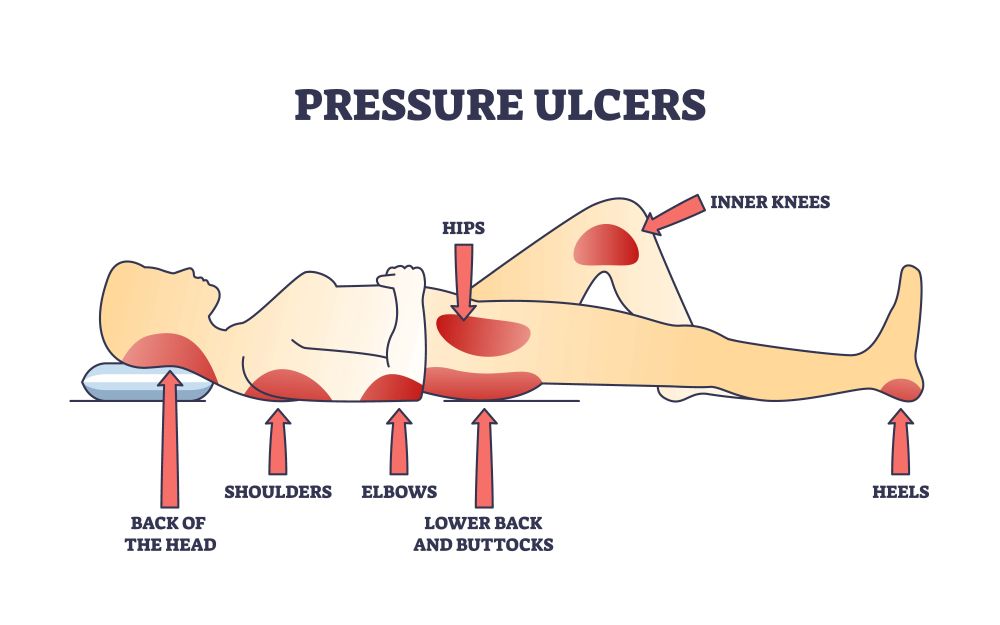
If you have an elderly loved one living in a nursing home anywhere in the San Francisco Bay Area, it is essential to understand the very real risks of injury that residents face and the warning signs that something may be wrong. Families often assume that harm only occurs when abuse is intentional. In reality, many of the most serious injuries in Bay Area nursing homes result from neglect, understaffing, and systemic failures rather than deliberate misconduct. One of the clearest and most dangerous examples is the development of bed sores, also known as pressure ulcers.

Bed sores are not an inevitable part of aging. They are widely recognized as a preventable condition when proper care is provided. Yet they continue to occur in nursing homes throughout San Francisco, Oakland, San Jose, and surrounding Bay Area communities. When they do, nursing homes may be legally responsible, even if no one intended to cause harm.

What Are Bed Sores and Why Are They Dangerous?

Older adults in Orange County nursing homes should always expect to be treated with dignity and respect, and they should also be able to expect that nursing homes are employing a sufficient number of staff to provide for the individual needs of residents. Yet, much too often, nursing homes do not provide the quality of care that they promise to provide. As a result of nursing home abuse — including intentional acts of physical and emotional harm, as well as sexual abuse — and nursing home neglect or negligence, Southern California nursing home residents suffer serious and sometimes deadly injuries. Families are often taught to be aware of the signs and symptoms of abuse or neglect, including physical and psychological warning signs about an elderly loved one’s well-being. 

We often think about nursing home abuse as intentional harm and neglect as a failure to provide care due to understaffing, for example, yet there are some cases in which nursing home neglect is intentional. In other words, staff members might make intentional decisions to withhold care in order to deprive elderly residents of the assistance they need or the medications on which they rely. Our Orange County nursing home neglect lawyers can explain in more detail.

Understanding Willful Deprivation in Southern California Nursing Homes

Older adults in Solano County and throughout California are not only at greater risk of falling than younger adults, but they are also more likely to sustain serious injuries when they do fall. According to a recent report in The New York Times, falls are nearly always preventable, yet they continue to harm seniors in assisted-living facilities and nursing homes. Sometimes falls occur because a facility has an inadequate number of staff, such that residents do not receive the help and assistance they need with mobility tasks. In other circumstances, a facility might have certain hazards on the premises that result in a fall. At the same time, nursing homes and assisted-living facilities may not prioritize fall prevention, and thus they may not be employing many of the “small changes and good habits” that the report suggests can make a significant difference in reducing falls among the elderly.

What should you know about falls and fall risks in California nursing homes? Our Riverside County nursing home neglect attorneys can tell you more.

Why is Falling So Common Among Older Adults?

Contact Information