California Nursing Home Abuse Lawyer Blog


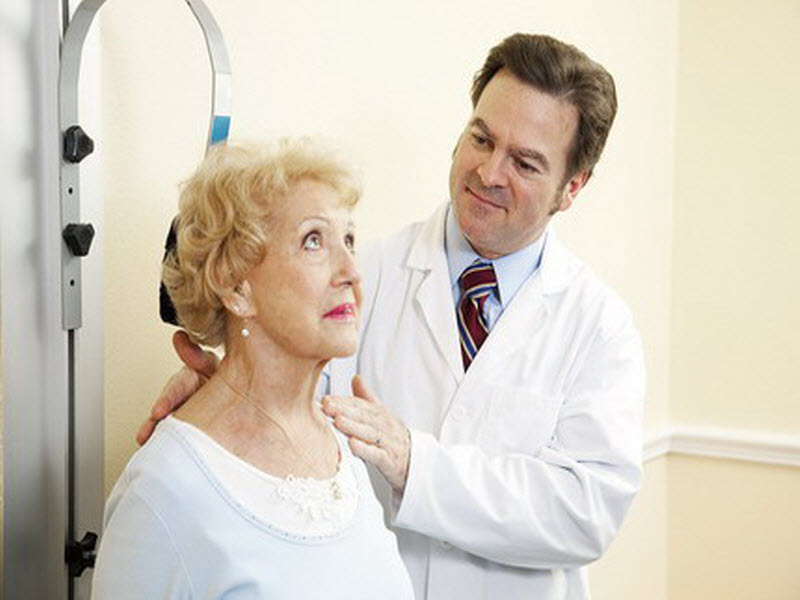 When San Diego seniors sustain injuries as a result of nursing home abuse, physicians often are in a distinct position to recognize the signs of abuse or neglect. Yet healthcare providers do not always identify these symptoms when they see them, and thus patterns of abuse can continue. In a recent article in Emergency Medicine News, one emergency physician in Southern California discusses the limitations of identifying elder abuse and the growing connection between medical malpractice and elder abuse claims.
Difficulty in Obtaining Accurate Patient Histories
Over the last decade, physicians have seen more and more older patients. Given that the number of Americans who are aged 85 and older is growing—and will continue to increase rapidly over the coming decades—more emergency room physicians are seeing elders. But the physician in the article warns that emergency medicine specialists need to be careful to avoid taking shortcuts when it comes to treating elderly patients. While healthcare providers in emergency departments are encouraged to work efficiently, or “faster,” as the author intimates, we need to slow down when seniors come in with injuries that could have been caused from nursing home abuse.